
Winter is traditionally slow for Ohio short-term rentals, but it doesn’t have to be a lost season. With the right strategy, hosts between Cleveland and Cincinnati can turn January–March into a revenue opportunity. From targeting event-driven travelers to tightening operations and preparing for spring demand, these winter tactics help STR owners outperform competitors and strengthen their business year-round.
- Winter demand in Ohio is event-driven, not vacation-driven, requiring different marketing language and booking expectations.
- Cleveland and Cincinnati each host multi-month winter attractions that generate consistent weekend traffic.
- Smart hosts revise listing descriptions to highlight proximity to seasonal events and attractions.
- Two- and three-night minimums outperform summer-style longer minimums during winter booking windows.
- Dynamic pricing during event weekends captures premium demand while remaining competitive midweek.
- Winter is when many STR owners go dormant—creating a clear opening for responsive, professional operators to gain market share.
- Properties that maintain quick messaging and high standards often hold 65–80% winter occupancy while competitors drop to 40–50%.
- Winter provides space to retool operations: updated manuals, refined check-in systems, improved cleaning workflows, and maintenance fixes.
- Professional photography taken in winter can increase listing conversion by 40% or more.
- Tax and financial organization during winter protects profitability, especially through proper STR tax treatment.
- Contractor availability is typically higher and pricing more flexible in winter, making it ideal for upgrades that increase summer rates.
- Winter is prime acquisition season—lower competition, motivated sellers, and time to prepare a new property before peak summer revenue.
If you’re managing a short-term rental anywhere between Cleveland and Cincinnati, you’ve likely noticed the same pattern: bookings slow down after the holidays, revenue dips, and you start wondering if you should just write off January and February as loss months.
You’re not alone. Most STR owners across Northeast and Southwest Ohio see winter as something to survive rather than an opportunity to capture. But here’s the reality: while your competitors are mentally checking out for the season, you have a chance to gain serious market share, strengthen your operations, and even expand your portfolio at advantageous prices.
This isn’t about working harder during the slow season. It’s about working smarter with strategies that position your property for success now and into the lucrative spring and summer months ahead.
Strategy 1: Target Event-Driven Demand Throughout the Corridor
Winter isn’t actually a dead season for travel in Ohio; it’s just a different season. The key is understanding that winter guests book differently than summer vacationers. They’re not planning beach trips three months out; they’re looking for specific weekend experiences tied to events, attractions, and local happenings.
Cleveland’s Winter Calendar Creates Consistent Opportunities
Cleveland transforms into a winter attraction hub from November through February. Wild Winter Lights at the Cleveland Metroparks Zoo draws thousands of families through late December with 1.5 million lights, themed areas, and holiday entertainment. The Cleveland Botanical Garden’s Frost experience runs through early January, featuring interactive ice-capped rooms, live music, and seasonal botanical displays that attract both locals and regional travelers.
Downtown Cleveland’s WinterLand kicks off the season on Public Square with ice skating, holiday window decorating contests, and festive programming that continues through winter. The Brite Winter Festival in late February brings crowds to the Flats West Bank for local music, interactive art, and food trucks; a perfect weekend booking opportunity when many STR owners have already given up on the season.
The North Pole Adventure on the Cuyahoga Valley Scenic Railroad operates select dates through December, while venues like Castle Noel in Medina remain open year-round with 40,000 square feet of Christmas movie props and holiday attractions.
Cincinnati Extends the Season Through March
Cincinnati’s winter event calendar is equally robust. Kings Island’s WinterFest transforms the park with seven million lights through late December. The Cincinnati Zoo’s PNC Festival of Lights runs into early January with four million LED lights and animal encounters. The UC Health Ice Rink at Elm Street Plaza operates through mid-February, joined by the new Winterhaus on Fountain Square—a heated, glass-enclosed retreat with daily programming and a full bar.
The Cincinnati area doesn’t stop in January, either. The Penguin Days discount program runs through early March, Bockfest arrives in March celebrating spring with multiple brewery partners, and winter hiking series draw outdoor enthusiasts to Great Parks locations throughout the coldest months.
How to Capture Event-Driven Bookings
The difference between an empty calendar and consistent winter bookings often comes down to how you market around these events. Update your listing descriptions to specifically mention proximity to winter attractions. Add seasonal photos showing your property during holidays or with snow coverage. Create targeted minimum stays for event weekends; many STR owners miss revenue by keeping summer’s seven-night minimums active during winter when two or three-night stays make more sense.
Most importantly, adjust your pricing strategy for event weekends while staying competitive during the gaps. A property near Cleveland might charge premium rates for Wild Winter Lights weekends in December, then run a weekday special for corporate travelers in January. Cincinnati-area properties can bundle zoo visits, WinterFest access, or downtown ice skating into their marketing pitch.
Strategy 2: Gain Market Share While Competitors Sleep
Here’s an uncomfortable truth about the short-term rental industry: a significant percentage of your competitors will essentially abandon their marketing and guest experience efforts between January and March. They’ll stop updating calendars promptly, delay responding to inquiries, let their listing photos and descriptions go stale, and generally treat their STR like a hobby rather than a business.
This creates your opportunity.
The Data Behind Winter Market Share Gains
Properties that maintain professional standards during winter typically see occupancy rates 20-30 percentage points higher than competitors who coast through the season. While the neighborhood average might drop to 40-50% occupancy, well-managed properties hold at 65-80% by capturing guests who would have booked elsewhere if those listings had been as responsive and well-maintained.
Winter guests are often less price-sensitive than summer vacationers because they’re booking for specific reasons; a family celebration, a concert at a Cleveland venue, a Cincinnati Bengals playoff game. They want reliability and quick responses, not necessarily the cheapest option. When competitors take three days to respond to winter inquiries, you can capture those bookings by replying within an hour.
Operational Excellence in the Off-Season
Maintaining high standards when occupancy is lower actually becomes easier, not harder. You have more flexibility to implement improvements between guests. You can test new check-in procedures, refine your welcome book, upgrade your cleaning protocols, and respond to any maintenance issues immediately rather than working around a packed booking calendar.
This is also when you build review momentum that pays off in spring. A guest who stays in February and leaves a five-star review talking about your immaculate cleanliness and instant communication becomes incredibly valuable when summer travelers start comparing properties in March and April. Those winter reviews prove your property isn’t just “good enough when it’s slow”; it’s consistently excellent.
Strategy 3: Use Winter for Strategic Operations Retooling
If there’s one advantage winter provides, it’s time. Time to address the operational inefficiencies you’ve been tolerating during the busy season. Time to implement the systems that will increase your revenue per booking and reduce your workload once demand returns. Time to turn your short-term rental from a property you own into a business you run.
Professional Documentation and Photography
Most STR owners vastly underestimate the impact of professional photography. Your summer listing photos taken on your iPhone might have gotten the job done, but winter gives you the opportunity to hire a professional real estate photographer who can capture your space at its best. High-quality photos can increase your booking conversion rate by 40% or more.
Similarly, this is the time to create professional documentation: detailed house manuals, neighborhood guides with specific recommendations, clear checkout instructions, and emergency procedures. Guests who feel well-informed before and during their stay leave better reviews and create fewer problems for you.
Financial Systems and Tax Preparation
Winter is also tax season preparation time. If you’re not working with a qualified professional who understands short-term rental tax strategy, you’re almost certainly paying more than necessary. The difference between treating your STR as a hobby and running it as a business can mean tens of thousands in tax savings through material participation, cost segregation studies, and proper expense tracking.
Consider whether your current booking and financial systems actually serve you well. Are you manually tracking reservations across multiple platforms? Are your cleaning and maintenance costs properly documented? Do you have a clear picture of your actual profit margins by season and booking type? Winter’s slower pace lets you implement proper systems before spring chaos begins.
Property Improvements with Better Contractor Availability
Contractors are typically easier to schedule and often more affordable during winter months. That bathroom renovation you’ve been delaying? The HVAC service that needs attention? The deck refinishing that would disrupt summer guests? These projects become far more manageable when you’re not turning away bookings to complete them.
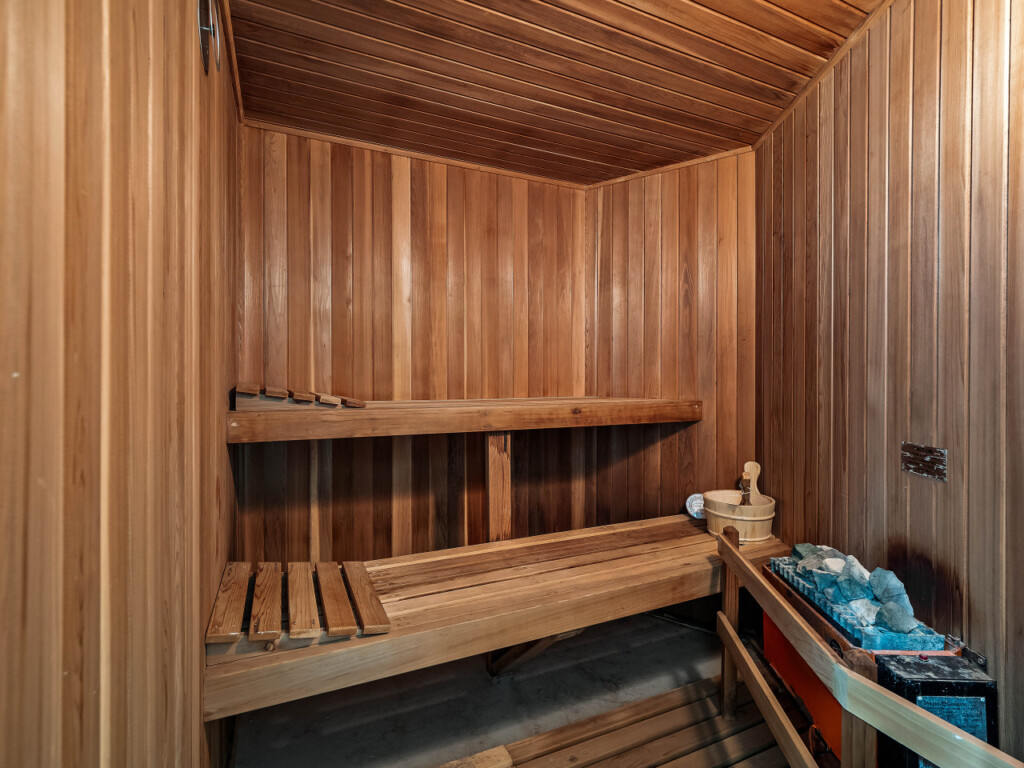
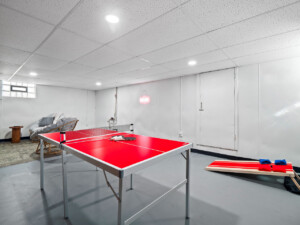
Strategic improvements also set you apart for the upcoming high season. Adding a hot tub, upgrading to smart home technology, improving outdoor spaces, or enhancing entertainment areas can all justify higher nightly rates once spring arrivals increase. The property that invests $15,000 in winter upgrades might command $25-40 more per night in summer, recovering that investment within a season while establishing a higher market position.
When Professional Management Makes Sense
For some property owners, winter reflection leads to a different conclusion: they don’t want to be in the daily management business at all. If you’re spending 20-30 hours per month handling guest communications, coordinating cleaners, managing maintenance issues, and optimizing listings, you’re effectively working a part-time job; often at a rate lower than your day job’s hourly value.
Full-service property management typically charges 20-30% of revenue but can increase your occupancy from 60% to 85%+ through professional operations, multi-platform listing optimization, dynamic pricing, and 24/7 guest support. For many owners, they end up netting more money while spending zero hours on operations. Companies like HomeHop in Ohio handle everything from initial property setup and professional photography through daily operations and guest services, allowing owners to truly treat their STR as a passive investment rather than a second job.
Strategy 4: Strategic Acquisition and Portfolio Expansion
While most of this article focuses on optimizing properties you already own, winter presents unique opportunities for expanding your STR portfolio at advantageous terms. This strategy isn’t for everyone, but if you’ve been considering acquiring additional properties, the December-February window offers several distinct advantages.
Why Winter is Acquisition Season for Smart Investors
First, buyer competition drops dramatically. The same property that might receive ten offers in May might see two or three in January. Sellers who list during winter are typically motivated; they’re not testing the market, they’re committed to selling. This creates negotiating leverage that simply doesn’t exist during spring’s competitive frenzy.
Second, properties currently operating as STRs often look weakest on paper during winter months. A property averaging $8,000 per month in summer might only generate $2,000-3,000 in January, making the financials appear less attractive to traditional investors who don’t understand seasonal patterns. Experienced STR investors recognize this creates opportunity to acquire proven properties at valuations that don’t reflect their true annual earning potential.
The Timeline Advantage
There’s also a critical timeline consideration most buyers miss: if you want a property generating revenue during next summer’s peak season, you need to close during winter. A February closing gives you March and April to complete any necessary improvements, furnish the space professionally, build your initial reviews through friends and family stays, and optimize your listing for the June-August surge.
Starting the process in June means you’ll miss the entire summer season, compete against maximum buyer volume, and likely close during fall—leaving you to navigate your first winter season without the benefit of having captured summer’s high-revenue months first.
Conclusion: Winter Separates Business Owners from Property Owners
The fundamental question winter asks every STR owner is simple: are you running a business or just owning a property?
Property owners treat winter as a loss season to endure. They reduce their effort level, stop optimizing their operations, and essentially hibernate until spring demand returns on its own.
Business owners recognize winter as a strategic period. They capture market share from complacent competitors. They use slower occupancy to implement operational improvements. They position themselves for acquisition opportunities. They invest in their competitive advantage for the upcoming high season.
The strategies outlined here (event-driven marketing, competitive positioning, operational retooling, and strategic expansion) all share a common thread: they require seeing your short-term rental as a business that operates year-round, not a summer property that happens to get occasional winter bookings.
Ohio’s STR market rewards this approach. The corridor between Cleveland and Cincinnati offers enough winter activity, cultural attractions, and event-driven demand to sustain strong operations even during the coldest months. The owners who capture that demand while others coast through winter find themselves entering spring with better reviews, stronger operations, and properties positioned to command premium rates when demand surges.
Winter isn’t something to survive. It’s an opportunity to separate yourself from half the market that treats it as off-season. The question is which half you want to be in.